
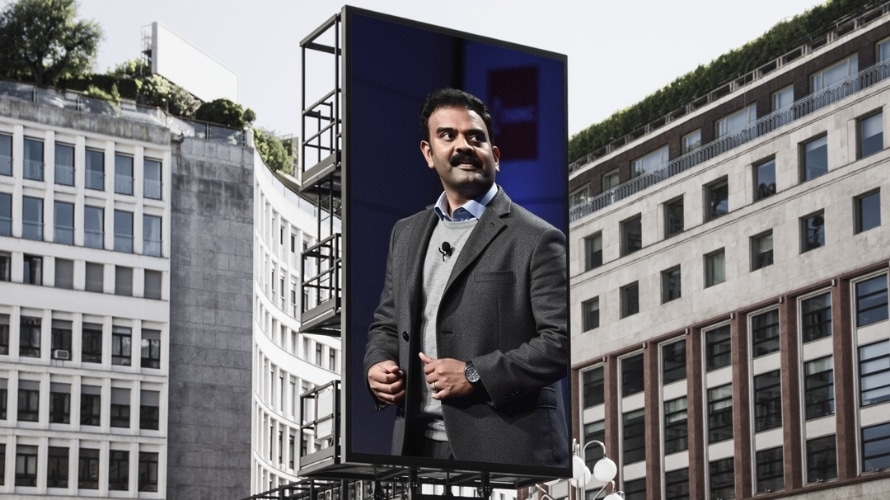

Introduction - Why Innovation is the CEO’s Greatest Asset
In today’s hypercompetitive marketplace, innovation isn’t optional – it’s the survival code. As a CEO, you’re not just steering a ship; you’re navigating through turbulent waters where the only constant is change.
The most successful leaders I’ve worked with – and the companies I’ve built – share one common trait: an obsession with innovation. This doesn’t just mean adopting the latest technology. It’s about building an innovation culture that transforms every challenge into an opportunity.
Understanding Innovation Beyond Buzzwords
Innovation is one of the most overused words in corporate vocabulary. But let’s strip away the hype and talk about what it really means for CEOs.
The 3 Types of Innovation Every CEO Should Know
- Incremental Innovation – Small improvements that make existing products or processes better.
- Disruptive Innovation – Game-changing moves that create entirely new markets.
- Sustaining Innovation – Enhancements that help you keep up with competitors and market expectations.
The CEO’s Innovation Framework
Over decades of entrepreneurship, I’ve developed a simple yet powerful framework to help leaders institutionalize innovation.
The 4-Pillar Innovation Model
Pillar 1: Vision Clarity
- Define a clear, innovation-driven mission.
- Ensure every team member knows why innovation matters.
Pillar 2: Market Insight
- Study competitors, customer pain points, and emerging trends.
- Use data analytics and AI-driven insights to anticipate needs.
Pillar 3: Rapid Experimentation
- Test small, fail fast, and iterate faster.
- Create innovation labs or cross-functional task forces.
Pillar 4: Culture of Risk-Tolerance
- Reward creative ideas, even if they fail.
- Build psychological safety so employees aren’t afraid to experiment.
Innovation as a Competitive Advantage
Innovation becomes a real competitive advantage when it’s baked into your strategy – not treated as an afterthought.
Leveraging Technology
AI, automation, blockchain, and IoT aren’t just buzzwords – they’re competitive weapons.
Example: Netflix leveraging AI to personalize recommendations, creating customer stickiness competitors can’t easily replicate.
Customer-Centric Innovation
- Involve customers in your innovation process.
- Use surveys, beta testing, and community feedback loops.
Process Innovation
- Streamline operations to reduce costs and increase agility.
- Apply Lean, Six Sigma, or Agile frameworks for speed.
Overcoming Innovation Barriers
Every CEO faces resistance – from budget constraints to cultural inertia.
Common Barriers:
- Fear of Change – Employees worry about losing relevance.
- Short-Term Thinking – Investors push for quarterly results over long-term innovation.
- Skill Gaps – Teams may lack the capabilities for advanced projects.
CEO Playbook Moves:
- Allocate a fixed “innovation budget” annually.
- Communicate the why behind every change.
- Upskill your workforce through targeted training.
Measuring Innovation Success
You can’t manage what you can’t measure.
Key Innovation Metrics:
- Percentage of revenue from new products/services.
- Time-to-market for new ideas.
- Number of ideas generated vs. implemented.
- Customer satisfaction improvement rates.
Case Studies of Innovative Leadership
Apple’s Relentless Product Evolution
Apple doesn’t just launch – it perfects. The iPhone wasn’t the first smartphone, but it redefined the category.
Tesla’s Market Disruption
Elon Musk didn’t just make electric cars; he made them aspirational, forcing the auto industry to innovate.
My Own Journey (Sundaresh Kamaraj)
From launching AI-driven business platforms to mentoring startups, I’ve seen firsthand how calculated innovation can transform market positioning.
Building Your Own CEO Innovation Playbook
Step 1: Identify your industry’s biggest blind spots.
Step 2: Create an innovation task force.
Step 3: Launch one high-impact innovation project every quarter.
Step 4: Reward calculated risk-taking.
Step 5: Repeat, refine, and scale.
Step 2: Create an innovation task force.
Step 3: Launch one high-impact innovation project every quarter.
Step 4: Reward calculated risk-taking.
Step 5: Repeat, refine, and scale.
Conclusion - Innovation is Leadership in Action
In a world where yesterday’s success formula is tomorrow’s failure, the most enduring CEOs are those who keep innovating – not just when it’s convenient, but as a leadership philosophy.
Innovation is not just a corporate function. It’s a CEO’s personal commitment to staying ahead of the curve, inspiring teams, and delivering exceptional value to customers.