
A curated set of practical tools that help teams assess their current position, identify opportunities, and align on clear strategic priorities. Designed to support structured thinking and informed decision-making across planning sessions.
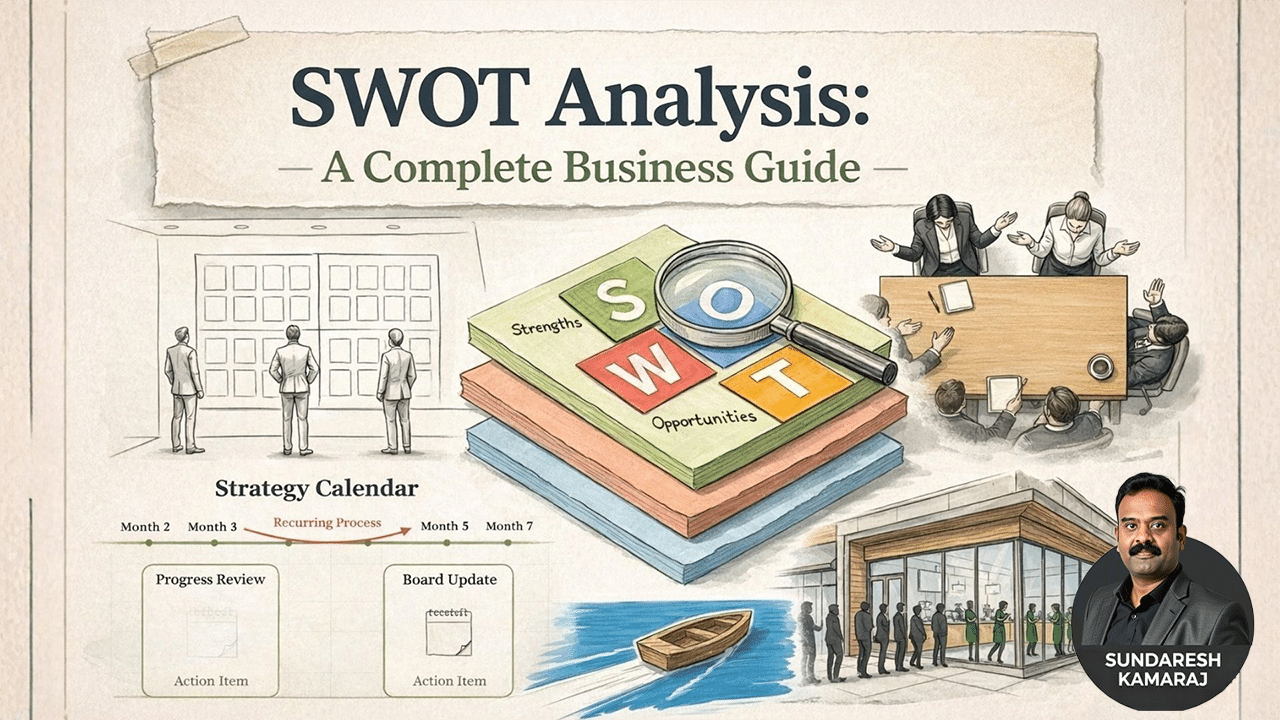
SWOT Analysis is a strategic planning framework that evaluates a business, project, or initiative by identifying internal Strengths and Weaknesses, and external Opportunities and Threats. Widely used since the 1960s, it provides a structured overview of current conditions to support informed decision-making and goal alignment.
A SWOT analysis distinguishes what an organization controls internally from what it must respond to externally. Strengths and weaknesses highlight internal capabilities or gaps-such as brand equity, resources, or operational limitations-while opportunities and threats stem from market, technological, or regulatory conditions. The resulting matrix condenses these insights into a snapshot that clarifies where to focus strategy and resources.
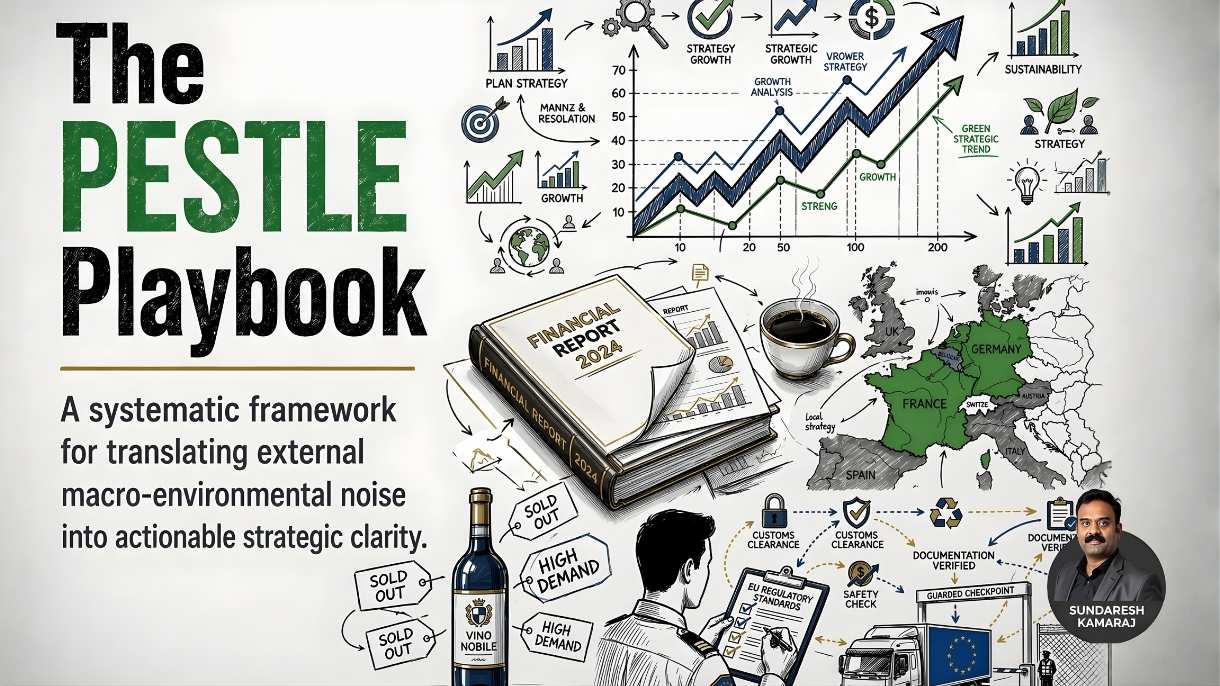
PESTLE analysis is a strategic business tool used to identify and evaluate external macro-environmental factors that can influence an organization’s performance. The acronym stands for Political, Economic, Social, Technological, Legal, and Environmental factors, providing a structured framework for strategic planning and risk management.
Businesses use PESTLE analysis to anticipate market trends, assess risks, and adapt strategies to external conditions. It aids in scenario planning, helps identify opportunities for innovation, and supports compliance by highlighting regulatory or environmental shifts that could impact operations.
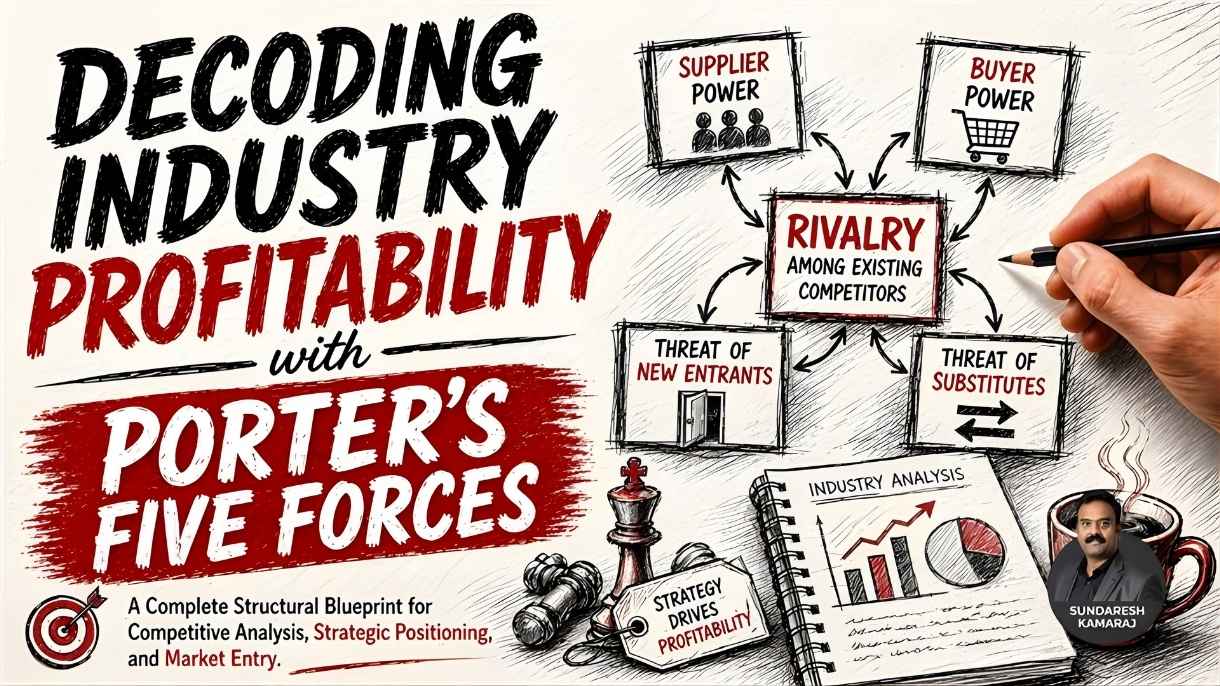
Porter’s Five Forces is a strategic framework for analyzing the competitive structure of an industry. Developed by Harvard Business School professor Michael E. Porter in 1979, it identifies five external forces that shape industry profitability and competitive intensity. The model remains central to corporate strategy, investment analysis, and market evaluation.
Porter’s model helps managers and analysts understand where power lies in a market and how structural factors drive profitability. By mapping each force’s strength, firms can position themselves strategically-reinforcing defenses where pressures are high or exploiting opportunities where barriers are weak. Investors also use the analysis to assess whether industries can sustain returns above their cost of capital.